Your Reliable General Contractor for Quality Home Improvements
A reputable general contractor plays a critical role in home improvements. Their knowledge ensures projects are completed with precision and attention. By focusing on premium materials and craftsmanship, they improve both aesthetics and value. Open communication and thorough preparation are crucial for a smooth process. However, many homeowners overlook important considerations when choosing a contractor. Understanding what to focus on can create all the difference in achieving a successful renovation. What should property owners evaluate first?
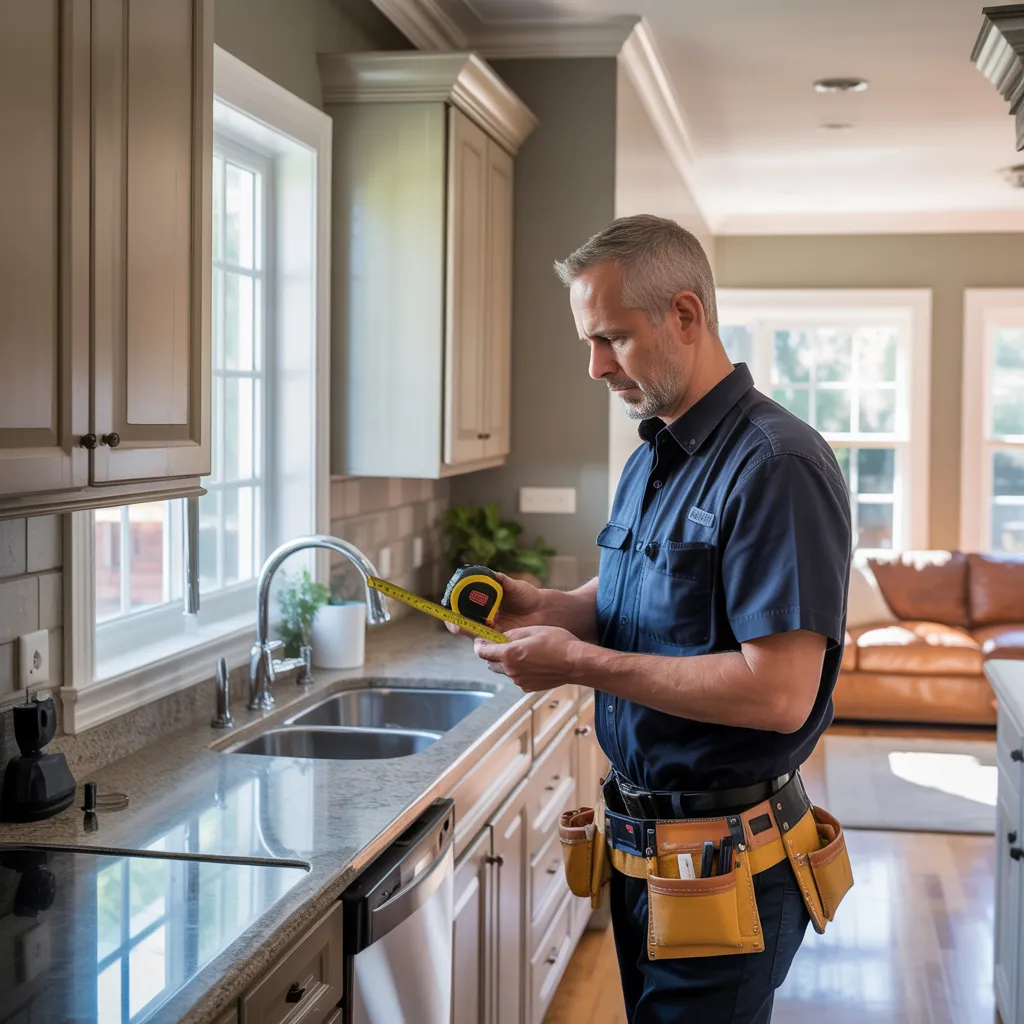
Important Characteristics to Seek Out in a Dependable General Contractor
When starting a home improvement job, how can one guarantee they select a dependable contractor? First, people should request referrals from friends, family, or online reviews to identify potential candidates. It is important to verify credentials, encompassing licenses and insurance, ensuring the professional satisfies local codes. Then, reviewing earlier projects through portfolios or references gives perspective into the professional's craftsmanship and reliability.
Moreover, obtaining multiple bids can assist in assessing reasonable rates and project schedules. Communication abilities are also important; a contractor should be friendly and responsive to inquiries. In addition, a comprehensive written agreement detailing work scope, timeframes, and payment arrangements shields both parties. Finally, go with your instincts; if a contractor appears unprofessional or vague, it may suggest potential problems. By adhering to these guidelines, homeowners can greatly enhance their chances of hiring a trustworthy construction expert, producing successful home renovation work.
Why Choosing a Local General Contractor Is Your Top Decision
Choosing a local general contractor can significantly improve the success of home improvement projects. Local contractors possess precious knowledge of the area, including construction standards, requirements, and zoning laws, guaranteeing compliance and productivity. Their strong relationships with vendors and specialized contractors can lead to improved pricing and timely availability to supplies and experienced workers.
Furthermore, local contractors often have a standing to maintain within the neighborhood, driving them to deliver high-quality work. This sense of accountability builds trust and confidence among property owners.
In addition, proximity allows for easier communication and quicker response times, which can be necessary during a project. Homeowners can also look for referrals from neighbors who have previously worked with the contractor, giving peace of mind. Overall, picking a local general contractor not only supports the community but also enhances the overall quality and experience of home improvement efforts.
Step-by-Step Directions for Your Property Betterment Adventure
Initiating a home improvement project requires detailed preparation and proper execution. Creating a work schedule is important to confirm that responsibilities are completed without delay, while selecting high-quality materials can substantially influence the project's final result. This handbook will explain these vital procedures to guide homeowners along their renovation journey productively.
Establish Your Project Deadlines
A carefully structured project timeline is vital for achieving quality home upgrades, guaranteeing that all phases are delivered efficiently. To begin with, homeowners should determine the project's parameters, laying out concrete goals and intended outcomes. Following this, they should consult with their general contractor to develop a realistic timeframe based on the project's complexity and mandatory tasks. Splitting the project into smaller phases allows for superior tracking and adjustments as needed. It is also vital to anticipate potential delays, such as weather conditions or logistics challenges, which may alter the timetable. Regular check-ins with the contractor can ensure the project stays on schedule. Ultimately, a clear timeline fosters understanding and clarifies objectives, culminating in a smoother property upgrade undertaking.
Examining Quality Resources
choosing premium components substantially affects the success of household remodeling endeavors. At the outset, property owners should identify the particular needs of their work, considering factors such durability, aesthetics, and financial plan. examining multiple product selections is important; this includes comprehending the strengths and limitations of each selections. consulting with practitioners can deliver beneficial guidance into trustworthy companies and suppliers.
Next, homeowners should request samples to assess the look and feel of materials firsthand. Shopping around for prices across various vendors can help ensure affordable rates without compromising quality. Finally, confirming that materials comply with local construction regulations is crucial for safety and compliance. By thoughtfully selecting materials, homeowners can improve both the durability and aesthetic value of their renovations, ultimately adding value to their property.
Share Your Vision Like a Pro
Successful home improvements often depend on the ability to communicate a clear concept. Homeowners should express their ideas, preferences, and expectations, ensuring that they communicate their wishes effectively to their general contractor. A well-defined plan not only helps in aligning the contractor's plans with the homeowner's goals but also streamlines the decision-making process.
Visual aids such as sketches or mood boards can substantially boost communication interactions. They deliver a tangible reference that illustrates style, color schemes, and layout preferences. Additionally, participating in frank discussion encourages partnership, allowing the contractor to ask clarifying questions and provide insights.
Establishing practical schedules and budgets is equally crucial. Property owners should prepare to discuss constraints openly to avoid miscommunications down the road. In the end, sharing a vision with precision and confidence strengthens both sides, paving the way for effective project execution and satisfying outcomes in home improvement projects.
The Value of Superior Materials and Skilled Workmanship
When it comes to residential renovations, the selection of sturdy materials significantly affects the durability and performance of a undertaking. Equally important is the role of expert workmanship, which guarantees that these materials are employed effectively. Together, premium materials and skilled craftsmanship produce results that endure through the years.
Durable Substance Selection
A judiciously selected mixture of hardwearing materials can significantly affect the endurance begin here and aesthetics of home improvements. Quality materials not only improve the look of the visual appeal of a space but also guarantee that renovations hold up the test of time. Homeowners should prioritize materials with proven durability, such as hardwood, stone, and high-grade metals, which defend against wear and tear and environmental damage. Additionally, selecting materials suited the local climate can prevent issues like rot or corrosion. Investing in strong options may require a higher upfront cost, but the long-term benefits—fewer repairs and replacements—make it a strategic choice. Ultimately, the right materials boost a home's value and overall satisfaction for years to come.
Why Skilled Artistry Matters
Quality execution functions as an indispensable factor in the accomplishment of home improvements, reinforcing the acquisition of dependable materials. Proficient craftspeople promise that every element of a project is executed with precision, strengthening both utility and aesthetic character. Rigorous focus in construction, from framing to finishing touches, markedly adds to the resilience and performance of home features. Quality execution not only demonstrates a devotion to excellence but also shields against future complications, such as structural damage or aesthetic shortcomings. Additionally, veteran contractors perceive the complexities of various materials, making sure they are implemented proficiently. Ultimately, investing in skilled artistry results in a more enjoyable and lasting outcome, raising the overall value of the home and the homeowner's experience.
Frequent Renovation Problems and Methods to Circumvent Them
Many homeowners face obstacles during home renovations that can lead to expensive setbacks and disappointment. One frequent error is downplaying the financial allocation. Without a detailed financial plan, unexpected expenses can quickly surface, compromising the renovation. Additionally, failing to secure required approvals can result in fines and project halts, complicating the renovation process.
Making quick choices by hurrying the process of making decisions is a frequent error. Quick choices concerning layout and design can result in disappointment down the road. Homeowners commonly overlook the importance of hiring qualified professionals, which can compromise the quality of work and safety requirements.
In the end, not communicating efficiently with building professionals can result in miscommunications and unsatisfied expectations. To sidestep these obstacles, homeowners should focus on meticulous preparation, obtain the necessary permits, hire experienced professionals, and sustain clear communication throughout the renovation process. By resolving these frequent mistakes, homeowners can ensure a smoother and more satisfying renovation experience.
How to Pick the Appropriate Supplies for Your Upgrade?
In what way can property owners guarantee they opt for the correct components for their restoration endeavors? First, they should appraise the specific needs of the location, considering factors such as utility, charm, and endurance. Researching assorted options is mandatory; homeowners should compare options based on their suitability for the intended use and local climate conditions.
Engaging a trustworthy building contractor can impart crucial knowledge into material options, confirming that preferences match with both financial plan and creative vision. In addition, residents must embrace sustainability by assessing green alternatives that lower ecological impact.
Finally, examining samples can help in making informed choices, enabling homeowners to see how materials will appear and feel in their space. By adhering to these guidelines, homeowners can securely select materials that enhance their renovation while guaranteeing durability and lasting value.
Standard Concerns People Ask Often
What Steps Can I Take to Check a Contractor's Certifications and Insurance?
To confirm a contractor's credentials and coverage, one can check state regulatory agencies and coverage companies. Furthermore, obtaining documentation of licenses and insurance straight from the contractor guarantees authenticity and compliance with regulations.
What Period Should You Anticipate for Common Domestic Remodeling Undertakings?
The anticipated timeline for home improvement work fluctuates, regularly lasting from a few weeks to several months, influenced by how complex the project is, size, and mandatory permits. Maintaining dialogue with the professional can help you establish a more accurate schedule.
Can I dwell in My Home During Renovations?
Yes, a person can occupy a home during remodeling, though it frequently depends on the scope and scale of the project. Partial renovation projects may enable continued occupancy, while substantial renovation work might necessitate temporary moving for protection and comfort.
Which Payment Solutions Do Tradespeople Typically Accept?
Contractors typically accept a range of payment methods, including cash, checks, credit cards, and digital payment platforms. Some may also provide financing options, allowing clients adaptability in managing renovation costs and payment schedules.
How Can I Handle Disputes Involving My Service Provider?
To handle conflicts with a contractor, one should express yourself plainly, record every communication, and seek a resolution through negotiation. If not settled, mediation or legal action may be necessary to safeguard your rights effectively.